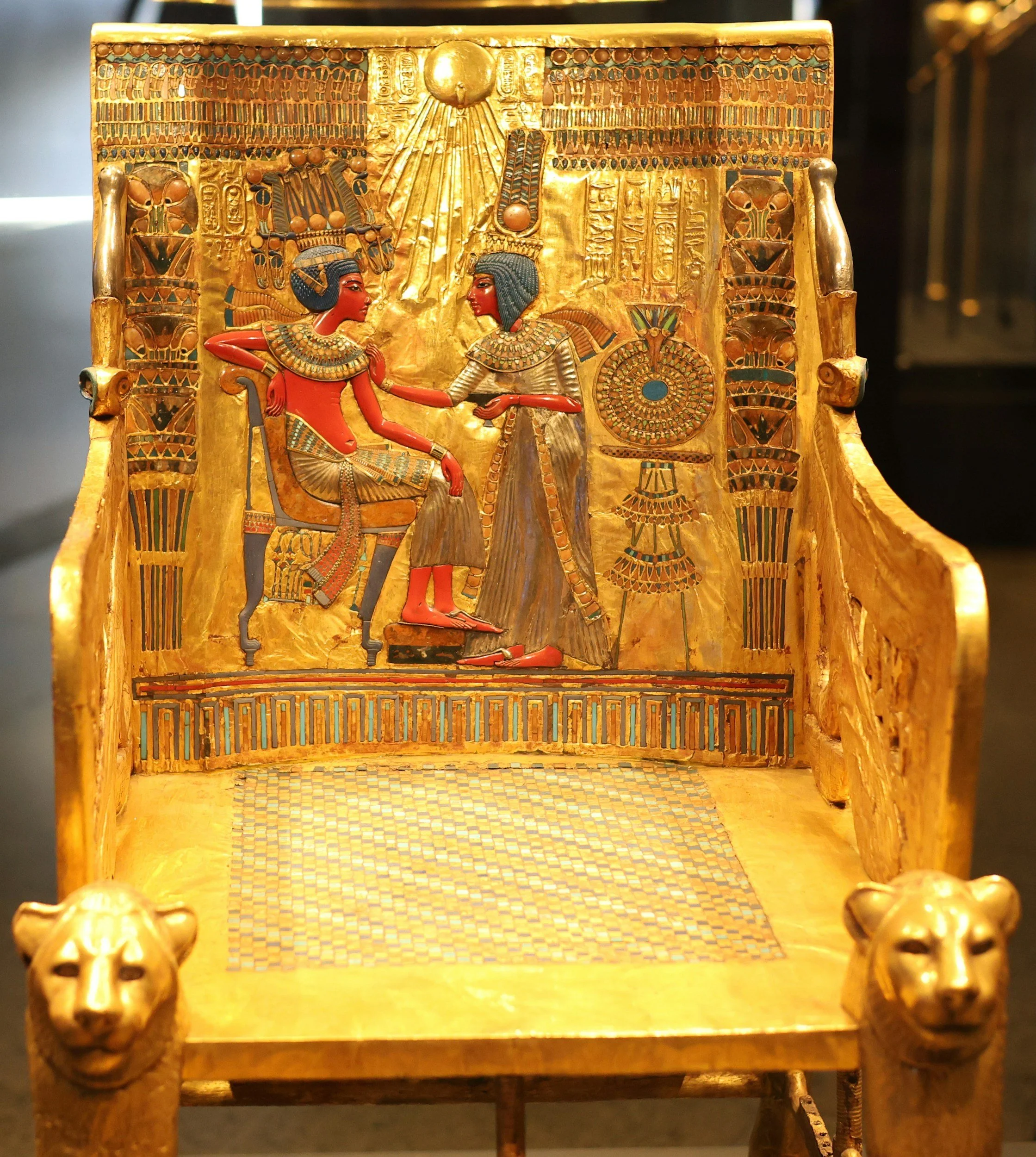
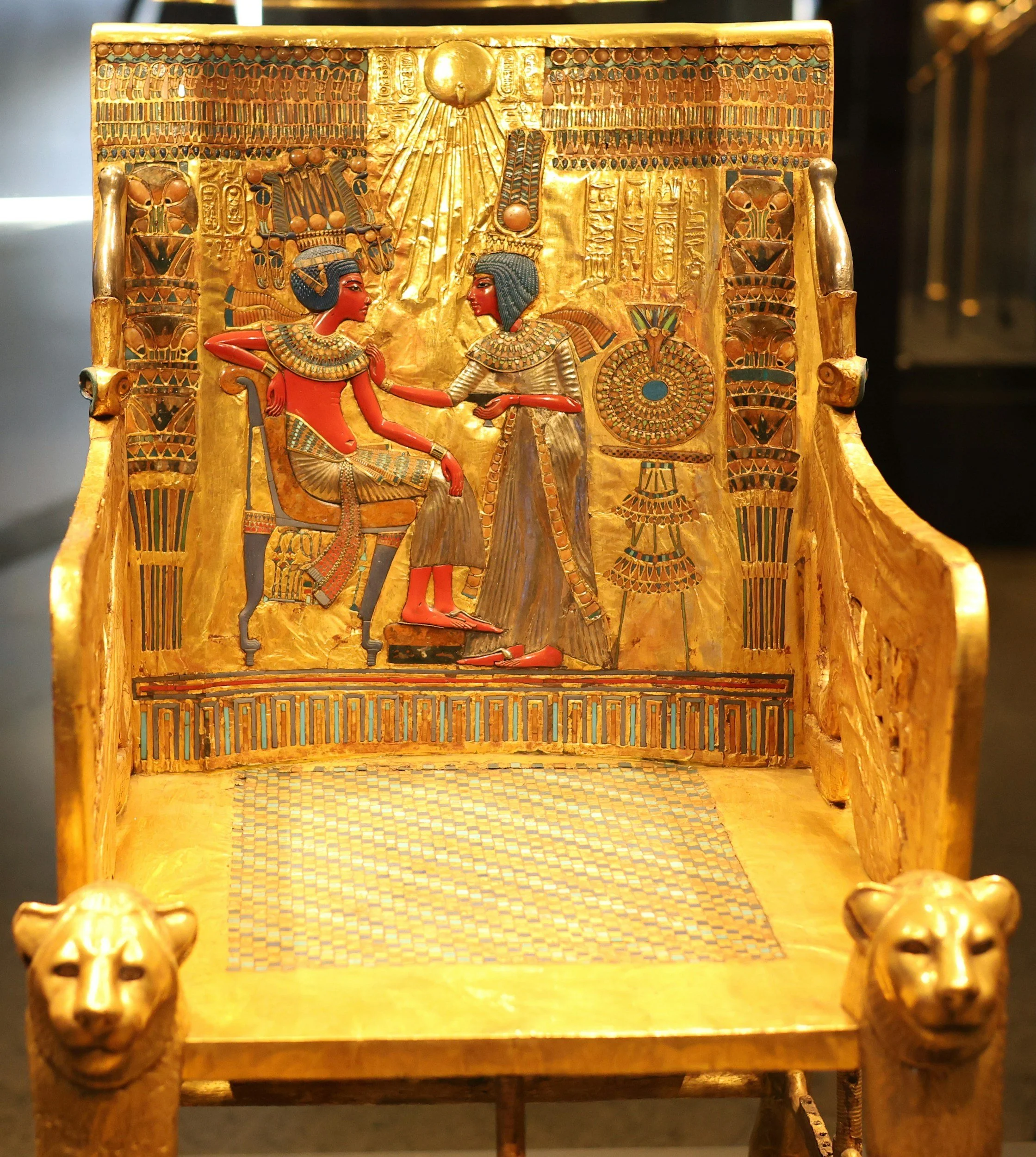
Seat of Restlessness
I am currently tapping away at a couple of publishing projects, and a surprise is how the Augustinian theme of restlessness has been popping up as a common theme, both at an individual as well as a collective level.
Whilst I have written elsewhere on the subject of restlessness, I found myself unearthing two new nuggets covering two new angles on restlessness.
In one gaming themed project, I drew on Graham Ward to note how something as simple as movement, when it is marked by directionality and intention, becomes marked in turn by desire and, flowing from that, restlessness. Restlessness thereby becomes the founding moment of desire and thus, the material cause of movement in the player’s game avatar.
In another current project looking at kingship, I have been charged with looking at pop cultural depictions of kingship. In this context, I argued that the throne risks becoming an object of desire (in this case the desire to exercise sovereign power). While doing the research on this theme, I came across a highly illuminating line from Oliver O’Donovan’s The Desire of the Nations. In one place, O’Donovan draws the link between sovereign power and the production of the public. Even in this context, the theme of restlessness is never far behind. When talking about power as an object of desire, O’Donovan said that
…power often attracts a public interest of a politically destructive kind, restless and dissatisfied, heedless of justice and authentic community (96)
As an object of desire, the throne can instill a restlessness which can either lead to the generation of a public, or become a solvent to it.