Real Interested Presence
One of the hats I wear is that of a member of the theological commission of the 54th International Eucharistic Congress, which is due to be held in Sydney in 2028.
As part of that commission, one of my tasks is to produce catechetical content, and the theme assigned to me for a recently commissioned post concerned abiding in the presence of the Body of Christ.
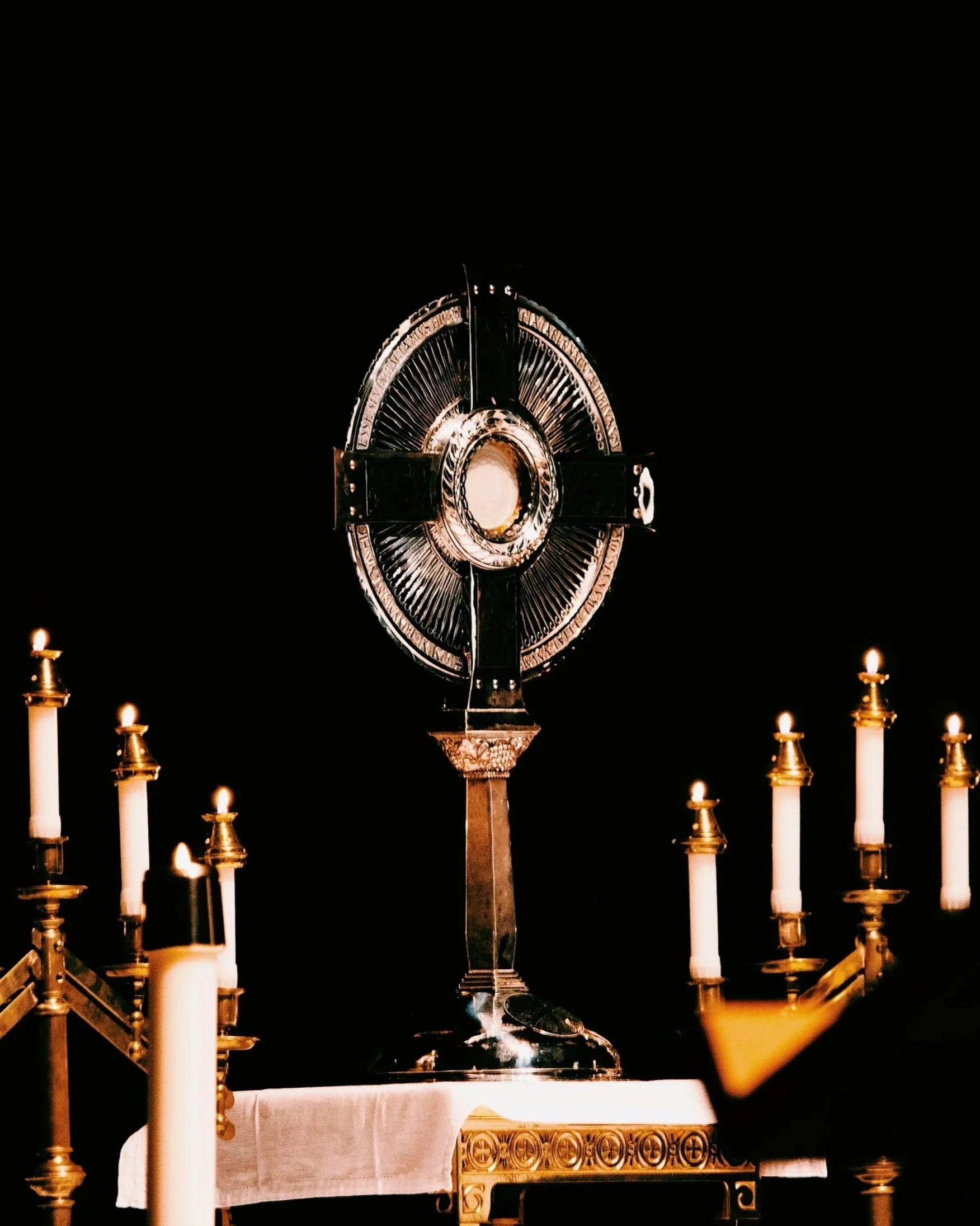
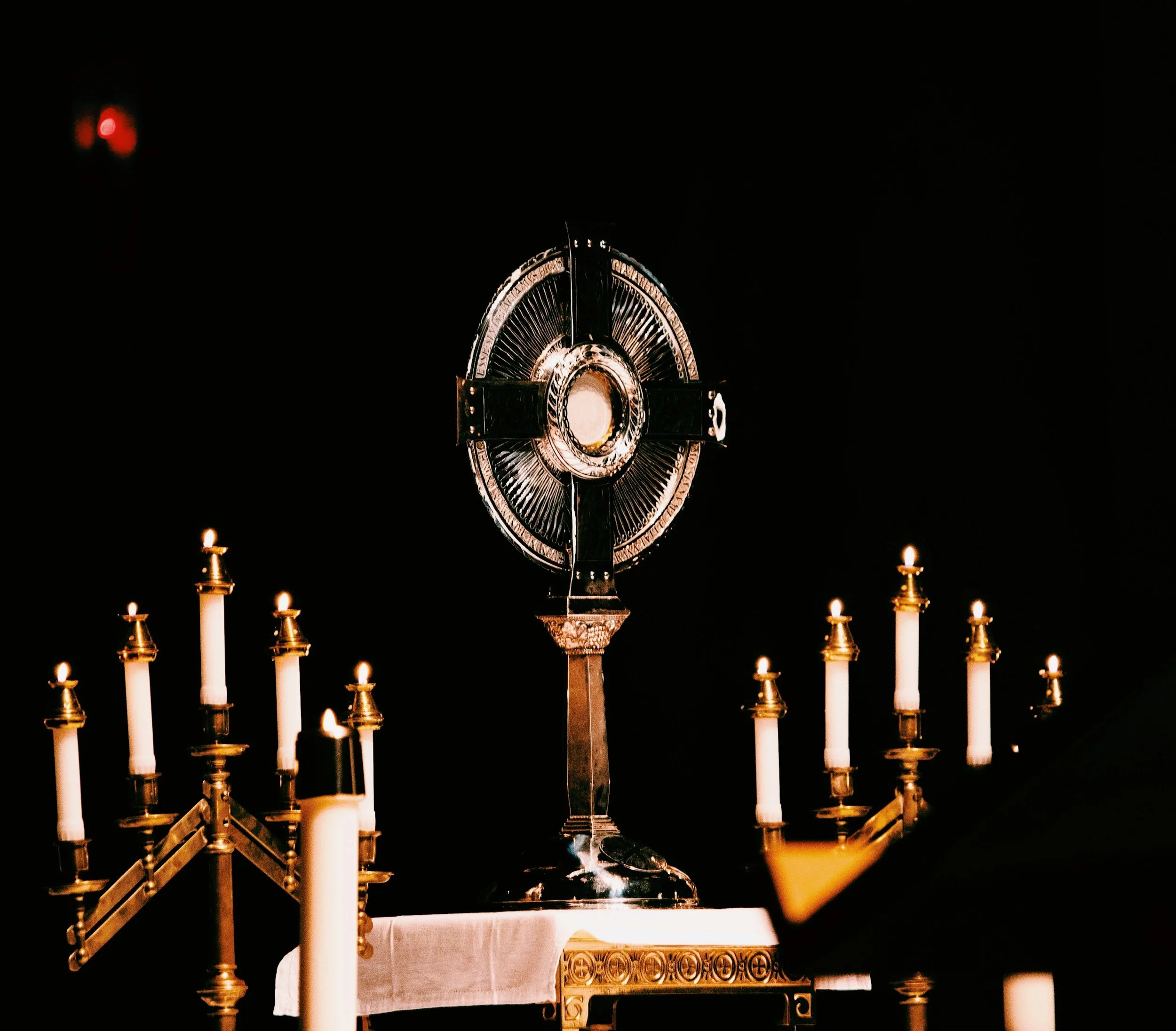
As those with a sacramental frame of reference would know, the Eucharist does not extrinsically symbolise the presence of the Body of Christ. Instead, Christ’s presence is inherent within the material reality of the Eucharistic elements. This is what those with a sacramental mindset call “real presence”
As one who will read that post will find, what I find in the insistence of the real presence is that in the insistence on the reality of the presence of Christ, that insistence is often left at that. The presence is real, but it is inert and static. Though I did not say this in so many words in the post, one does not have much of an incentive to abide by a presence that is thusly inert and static.
Instead, again without saying it in so many words, I wrote that post whilst leaning into my readings of Maurice Merleau-Ponty’s Phenomenology of Perception, Romano Guardini’s The Living God and Luigi Giussani’s At the Origin of the Christian Claim.
From Merleau-Ponty, I channeled the idea that bodies are not separate from the rest of creation, but are “intervolved” with the world such that, to use his words “the world and I are within one another”. As I wrote in an article on prayer in , that intervolvement commits me to the world even when I am not aware of it.
But from Guardini and Giussani, I also realised that intervolvement is a two way street, even if analogically. Furthermore, this has great implications for our discussion on presence. It means that divine presence, especially one that in the body, blood, soul and divinity of Christ in the Eucharist, is not inert; and it is not inert because it is not neutral. That presence becomes “pre-loaded” so to speak, with divine interest in creation. To paraphrase Guardini, I am the centre and object of divine interest.
How that interest is made manifest became clear to me after reading Giussani’s chapter on the implications of Christ’s presence. Divine interest is manifested not in terms of a distant surveillance, but an intimate involvement that has as its center the rejuvenation of all reality from its very foundations, what he would in another place call “the Event” which brings with it an “ontology of pure beginning”. This pure beginning we see not only at the moment of creation, but in every renewal of the Biblical covenants, culminating in the renewing presence of Christ Himself.
There will be other points which I might bring out in other content pieces, so watch this space.
Support Awkward Asian Theologian on Patreon, and help make a change to the theological web.