The New Mother Tongue

Over the weekend, our podcast Awkward Asian Theologians dropped another one of those episodes that touches on subjects close to the heart of the Asian: Money.
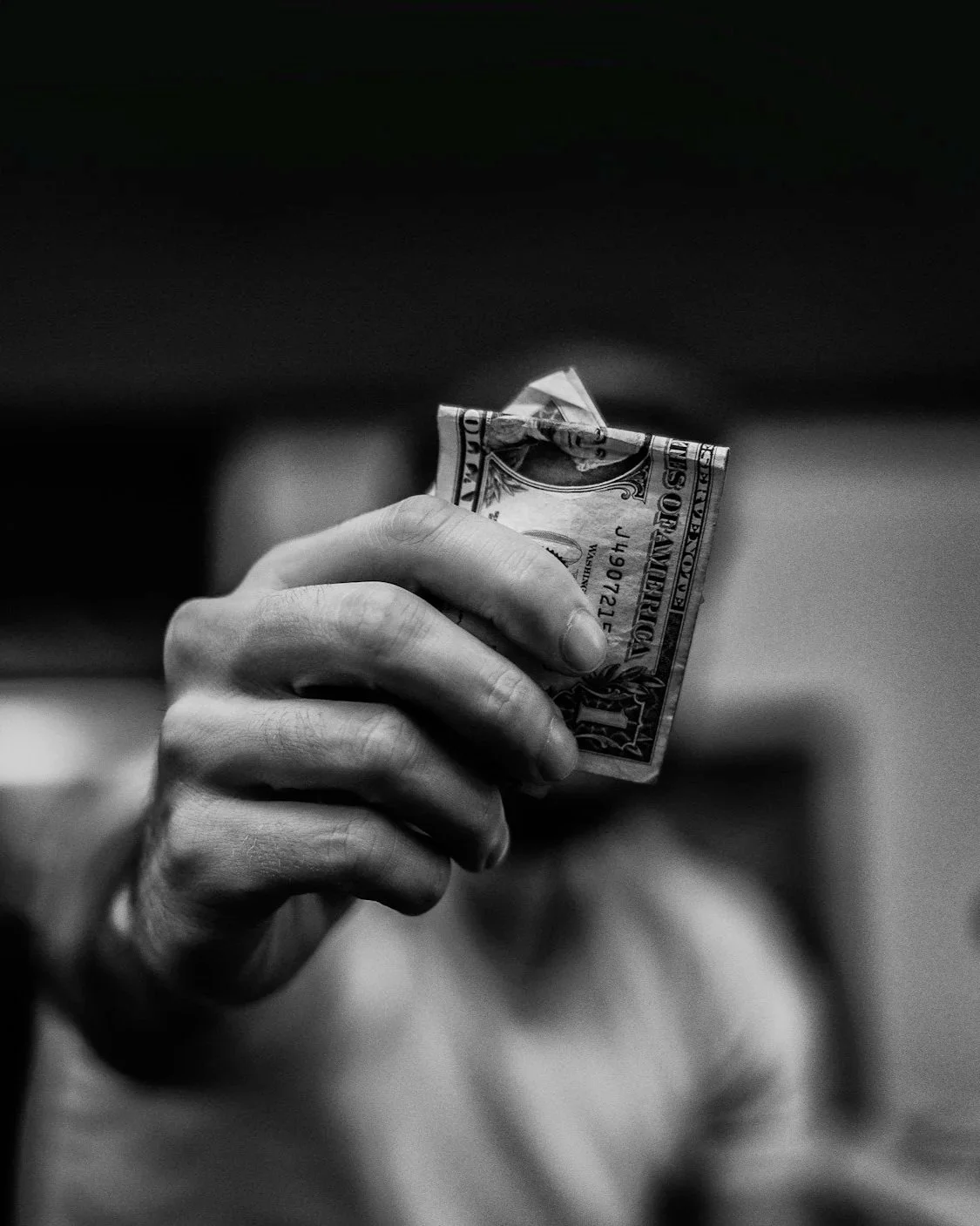
In this episode, Daniel and I dissected the topic at a sociohistorical, philosophical and theological level with reference to that often used term, “cold hard cash”.
Sociohistorically, we investigated the idea of the objective value of money (with reference to, of all things, the Cold War), and put forward the idea instead that money is less tied to an objective measure of value than a subjective desire, particularly in situations where (as most currencies are) we are dealing with floated (as opposed to pegged) currencies. In this respect, money represents pure subjectivity, and as pure subjectivity, it is very much tied to desire.
This then becomes the lynchpin for couple of other points. If money is tied to desire, and thus tied to the whims and fancies of subjective desire, then money does not have the firm footing we imagine it to be (and this is the undercurrent of the episode: that money’s everlasting value is less objective and more imagined). This is compounded further by a metaphysical point about money, namely that money is an activation of potential rather than actuality.
The concern here is that, as money becomes the first criterion by which all manner of judgements are made, they can come to also refract our interior life as well, both on an individual as well as a more societal level. This is not only unique to Asians, but each and every culture that has become seeped through with a financial logic.
There is one element that, in hindsight, I would have liked to work in given more time, which concerns the theological point by Philip Goodchild concerning why money is mentioned in the same breath as God, because money is one of the few things that comes close to the godly capacity to make something out of nothing.
The New Mother Tongue is out now on Spotify, Amazon Music and Apple Podcasts.