Before That Love Celestial: Collision

This is the second of a three part series on love and distance.
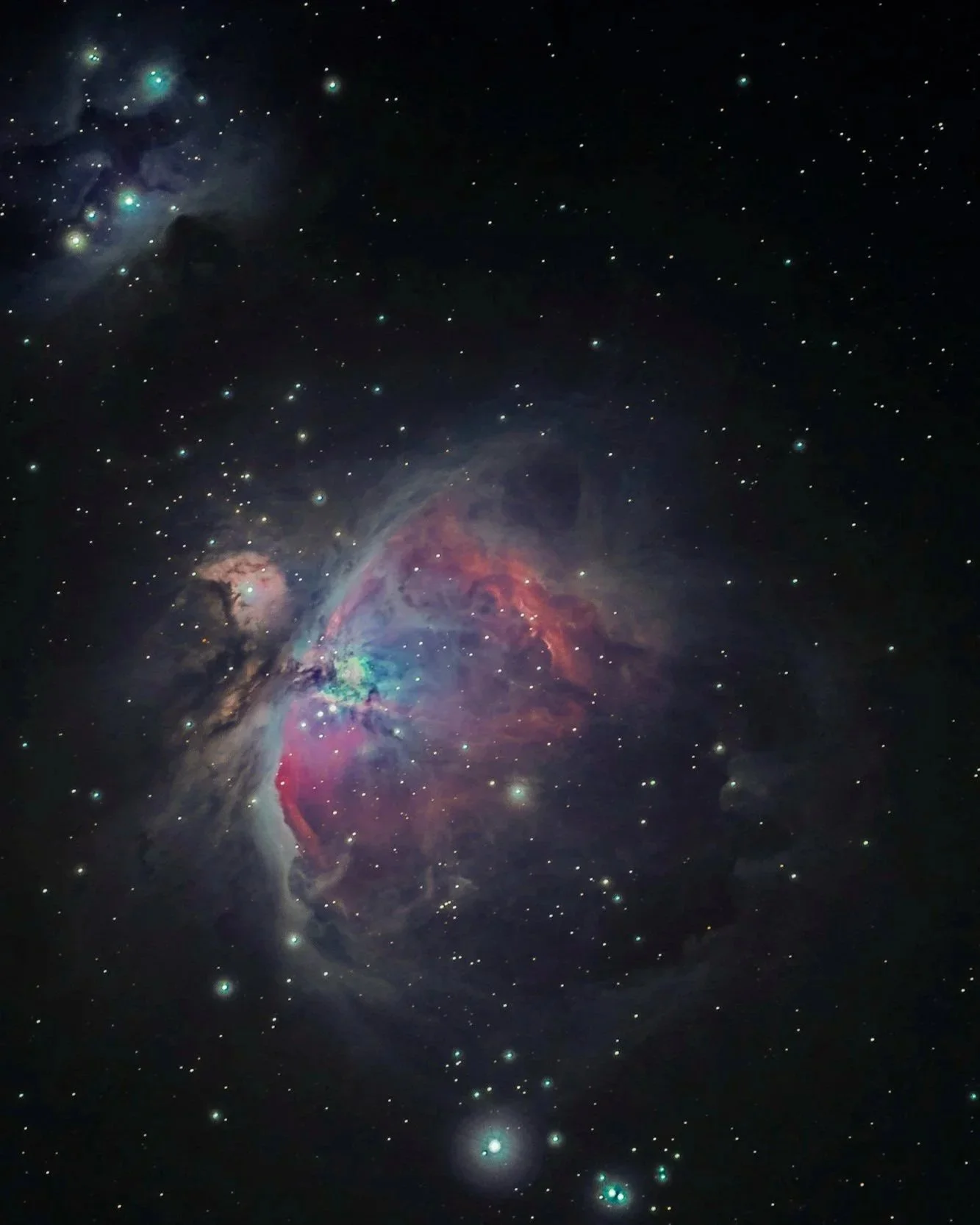
In a previous post, I looked at the planetary allegory to love as an illustration of Han’s concept of the negativity of otherness, which is the necessary precondition for truly erotic experiences, that is, the precondition to knowing or loving anything.
Another point that I mentioned at the end of that post was that the poignant part of this drama is that the longed for end result of the erotic desire nurtured by the negativity of otherness - namely the closure of the distance between lover and beloved - cannot come about. Paradoxically, keeping love alive meant keeping that distance between one and the other open. This is why The Midnight can sing, in their song Comet, that it the choice is to either be strangers to one another and enjoy an intact relationship, or to burn through the atmosphere of one’s orbit in order to gain the intimacy of proximity (the implication being that the relationship itself gets destroyed by that very proximity).
Nevertheless, the desire to close that distance remains. This then begs the question of what that closure might look like. My previous post’s reference to Lars von Trier’s Melancholia provided a clue.
Recall that it was the planet Melancholia’s imminent impact that awoke the erotic desires within Justine, who before then, was a depressed shell of a woman. The impending collision of the planet was treated as the anticipation of “joyous reunion with her beloved”.
If keeping the distance open is the precondition for the negativity of the other (and from that, the seedbed of love), then the sought for closure of that distance so that love may be manifested will come as a collision of one world into another. This dynamic is something akin to what Martin Heidegger called thrownness, or what Luigi Giussani calls a breaking into one’s experience.
This collision can thus be described as an event, in which old things are made to die and new unexpected things emerge. The realisation of love is thus a mourning of the death of old patterns of life, and yet the joyous anticipation of new things.
I found this couplet to be something to bring to our prayers as we come to the end of Advent and await the Event of the Incarnation, in which the Lord of the celestial heights of Heaven - out of love - enters into our condition of thrownness, and coming in the form of the person of Jesus, which we will explore in our concluding post next week.
Support Awkward Asian Theologian on Patreon, and help make a change to the theological web.